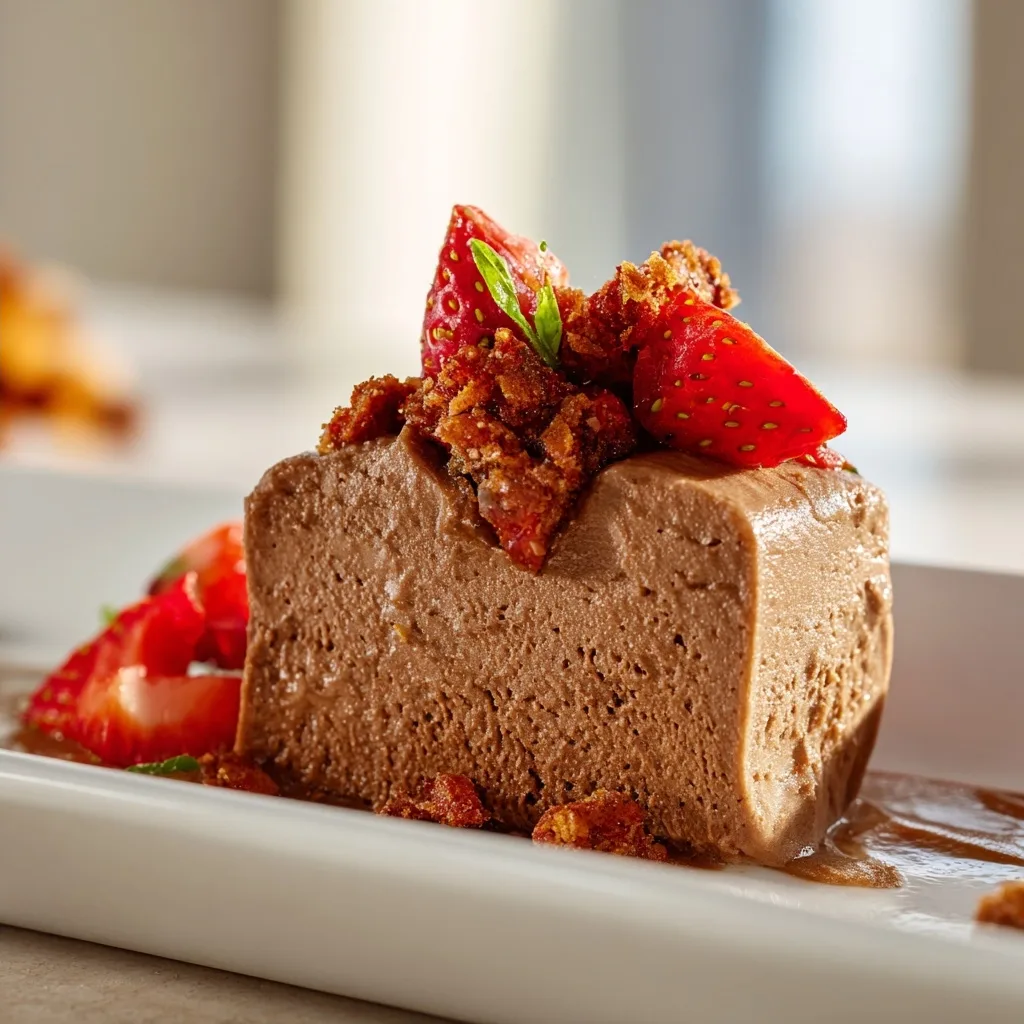
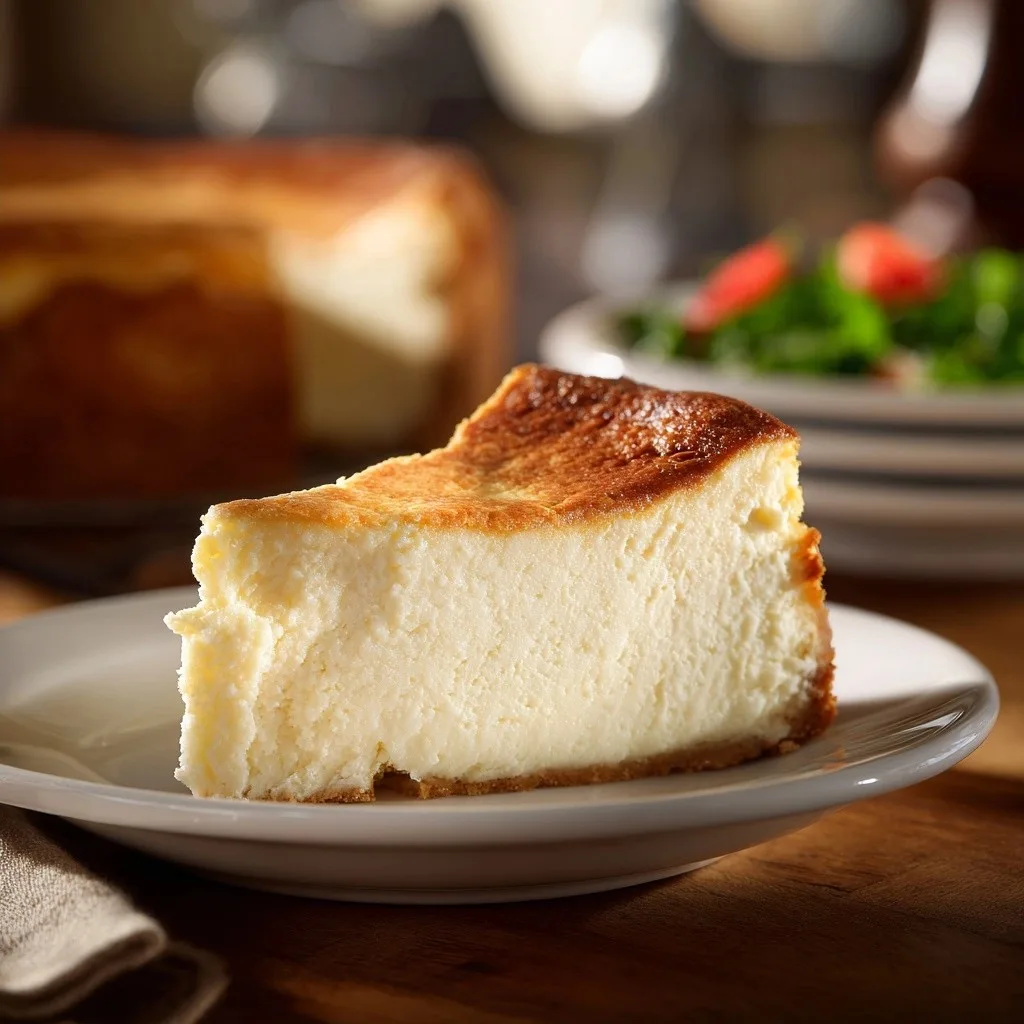
One afternoon, I found myself staring at a tub of cottage cheese that was about to expire, and I thought, why not turn it into a cheesecake? The idea of a Cottage Cheese Cheesecake intrigued me, especially since my sweet tooth was itching for something creamy and delicious. To my surprise, the result was a light, fluffy dessert that packed a protein punch.
What sets this recipe apart from the countless others online is the perfect balance of tangy creaminess and a hint of sweetness, all while keeping it low in sugar. Trust me, you won’t even miss the traditional cream cheese in this delightful twist!
Why You'll Love This Recipe
- Cottage cheese adds moisture without extra fat: The whey in cottage cheese creates steam during baking, keeping the crumb tender without needing oil or butter. I tested this with both full-fat and low-fat cottage cheese and found that low-fat still delivered a creamy texture.
- Lemon juice enhances flavor and texture: The acidity of fresh lemon juice brightens the flavor while also reacting with the eggs, creating a lighter and fluffier cheesecake. It adds a subtle zing that cuts through the richness beautifully.
- Graham cracker crust provides the perfect balance: The combination of melted butter and sugar in the graham cracker crust gives a satisfying crunch, contrasting perfectly with the creamy cheesecake filling. The crust holds its shape well, preventing a soggy bottom.
- Eggs create structure and richness: Using large eggs at room temperature helps bind the ingredients and adds richness to the cheesecake. I found that room temperature eggs incorporate more easily, resulting in a smoother texture.
Ingredients
What You'll Need
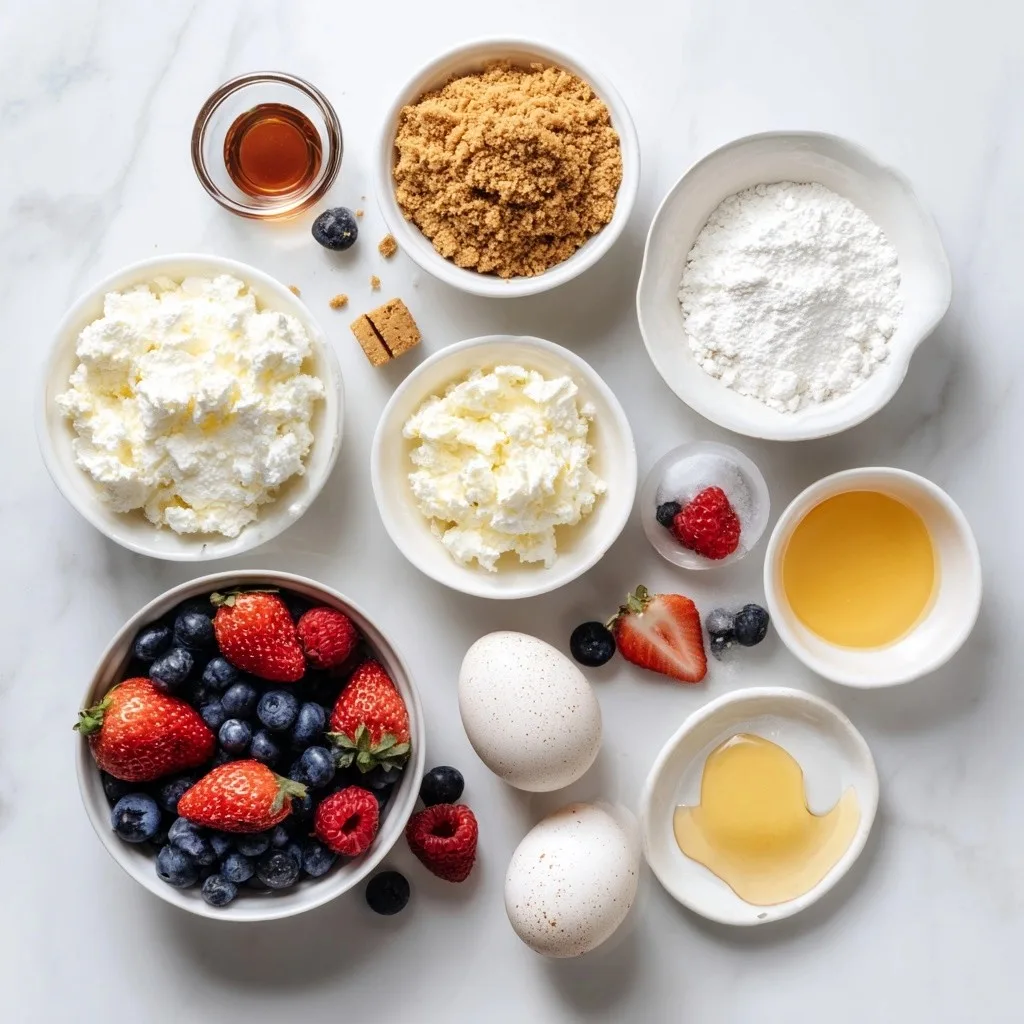
- 2 cups cottage cheese: preferably low-fat for a lighter texture; look for a smooth variety for a creamier cheesecake
- 1 cup cream cheese: softened at room temperature to ensure easy blending and a silky finish
- 1/2 cup sugar: adjust to taste; use granulated sugar for a classic sweetness
- 1 tsp vanilla extract: pure vanilla extract adds depth; avoid imitation for the best flavor
- 2 large eggs: at room temperature for even mixing and a smoother texture
- 1 tbsp lemon juice: freshly squeezed enhances flavor and adds a lovely brightness
- 1 tbsp cornstarch: helps to stabilize the cheesecake and gives it a nice texture
- 1 cup graham cracker crumbs: for the crust; choose finely crushed for a more cohesive base
- 1/4 cup unsalted butter: melted to bind the crust ingredients together
- 2 tbsp sugar: for the crust; this adds a touch of sweetness and balances the flavors
- 1 cup fresh berries: any combination works; they add color and a touch of flavor on top
- 2 tbsp honey: for drizzling on top; it adds a natural sweetness and beautiful sheen
When shopping for ingredients for your Cottage Cheese Cheesecake, quality matters. Opt for full-fat cream cheese for that rich flavor, and fresh berries that are vibrant and ripe for the best topping. A good cottage cheese will make a noticeable difference in the final texture.
Easy Substitutions
- Dairy-free: swap cottage cheese for silken tofu — you'll get a creamy texture, but the flavor will be milder and less tangy.
- Gluten-free: swap graham cracker crumbs for almond flour mixed with a bit of sugar — the crust will be denser and nuttier in flavor.
- Lower calorie: replace sugar with a sugar substitute like erythritol — this will lower calories, but the sweetness might be less intense.
- Egg-free: substitute eggs with a mixture of 1/4 cup unsweetened applesauce and 1/2 tsp baking powder — this will create a lighter texture but may alter the richness.
How to Make This Recipe
Prepare the Crust
In a medium bowl, mix graham cracker crumbs, melted butter, and 2 tablespoons of sugar until everything is thoroughly combined — this will create a flavorful base for your cheesecake.
Press the crumb mixture firmly into the bottom of a 9-inch springform pan, ensuring it's compact and even, which will help the crust hold together when sliced.
Make the Cheesecake Filling
In a large mixing bowl, blend cottage cheese, cream cheese, and 1/2 cup of sugar using an electric mixer on medium speed for about 2 minutes until the mixture is smooth and creamy — this ensures a velvety texture in your cheesecake.
Add the eggs one at a time, mixing well for about 30 seconds after each addition — this helps incorporate air for a light cheesecake. If the mixture looks lumpy, blend a bit longer until smooth.
Mix in the vanilla extract, lemon juice, and cornstarch until well combined, about 1 minute. The cornstarch will help stabilize the filling as it bakes.
Pour the cheesecake mixture over the prepared crust in the springform pan and smooth the top with a spatula — this will create a lovely even surface for your cheesecake.
Chill & Serve
Cover the pan with plastic wrap and refrigerate for at least 4 hours, or until set. The chilling allows the flavors to meld and the texture to firm up, giving you the perfect slice.
Once set, carefully remove the springform pan. Top the cheesecake with fresh berries and drizzle honey over the top for a touch of color and sweetness. Your Cottage Cheese Cheesecake is now ready to be sliced and enjoyed chilled!
Tips & Tricks
The Importance of Room Temperature Ingredients
I always let my cottage cheese and cream cheese sit out for about 30 minutes before I start mixing. When these ingredients are at room temperature, they blend so much more easily, creating that smooth, creamy texture we crave in a cheesecake. Cold ingredients can lead to lumps that just won’t mix out, leaving you with an uneven texture. Trust me, I've learned this the hard way!
Perfecting Your Baking Time
Keep an eye on your cheesecake as it bakes. I find that every oven behaves differently, so it’s wise to start checking for doneness about 10 minutes before the recommended time. The cheesecake should be set around the edges but still slightly jiggly in the center. If you wait until it’s completely firm, you may end up with a dry cheesecake, which is definitely a bummer.
Pro Tips
- Use Full-Fat Dairy: Choosing full-fat cottage cheese and cream cheese ensures a richer flavor and creamier texture. I once tried low-fat options, and the cheesecake turned out dry and lacking depth. Trust me, the indulgence is worth it!
- Avoid Overmixing: While mixing, stop as soon as everything is combined to prevent incorporating too much air. Overmixing can lead to cracks in your cheesecake as it cools. I learned this the hard way during my first few tries.
- Cool Gradually: After baking, turn off the oven and crack the door open, allowing the cheesecake to cool gradually. This helps prevent sudden temperature changes that can cause cracks. I always let mine cool in the oven for at least an hour before transferring it to the fridge.
- Chill Overnight: For the best flavor and texture, let your cheesecake chill overnight in the fridge. I find that the flavors meld beautifully, and the cheesecake sets perfectly, making it easier to slice. Patience pays off here!
Variations & Customizations
Flavor Twists
Chocolate Swirl
To create a rich chocolatey flavor, melt 4 ounces of dark chocolate and fold it into the cottage cheese mixture after blending. Swirl it gently to create a marbled effect. The result is a creamy cheesecake with decadent chocolate pockets that melt in your mouth, making it perfect for chocolate lovers.
Berry Bliss
Add 1 cup of mixed fresh berries (like raspberries and blueberries) into the batter before pouring it into the crust. This variation infuses the cheesecake with a touch of fruity flavor, resulting in a vibrant, colorful dessert that looks beautiful and tastes like summer.
Seasonal Versions
Pumpkin Spice
Incorporate 1 cup of canned pumpkin puree and 1 teaspoon of pumpkin pie spice into the batter. This version is creamy, warm, and filled with autumn flavors, perfect for the fall season. The cheesecake takes on a lovely golden hue and a fragrant aroma that will fill your kitchen.
Chocolate Mint Surprise
Add 1 teaspoon of peppermint extract and fold in ½ cup of crushed mint chocolate candies into the batter. The result is a refreshing minty cheesecake that’s perfect for the holidays, complete with a pleasureful crunch and a sweet, cool finish.
Storage & Meal Prep
How to Store
Room Temperature
Cottage cheese cheesecake can be left at room temperature for up to 2 hours. Make sure to keep it covered with a clean kitchen towel or in a cake dome to prevent any dust or bugs from landing on it.
Refrigerator
Store your cheesecake in an airtight container in the fridge for up to 5 days. Before placing it in the container, let it cool completely to room temperature. If you plan to slice it, wrap each piece individually in plastic wrap to maintain its moisture and prevent sticking.
Freezer
You can freeze cottage cheese cheesecake for up to 2 months. I recommend flash freezing individual slices on a sheet pan first for about an hour, then wrapping each piece tightly in plastic wrap and placing them in a freezer-safe bag. When ready to enjoy, thaw overnight in the refrigerator.
Meal Prep
For meal prep, I suggest doubling the recipe; it freezes well and makes for convenient snacks or desserts throughout the week. Preparing it the night before is ideal, allowing the flavors to meld perfectly. Store slices in an airtight container, and they’ll stay fresh for 5 days in the fridge. Reheat individual slices in the microwave for about 30 seconds on medium power to bring back that creamy texture.
Equipment You'll Need
Essential
9-inch springform pan: This pan is crucial for shaping your cheesecake. It allows you to bake and cool the cake without worrying about it sticking. Plus, the removable sides make for a stunning presentation without the hassle of transferring it to a plate!
Electric mixer: A good electric mixer is key for achieving that smooth, creamy texture. I recommend a stand mixer for hands-free mixing, but a handheld one works just fine too. The goal is to blend the cottage cheese and cream cheese smoothly, which is essential for that velvety mouthfeel.
Nice to Have
Food processor: While not necessary, a food processor can help create a finely crushed graham cracker crust. If you prefer a crunchier texture, a simple rolling pin works well too, but a food processor saves time and ensures uniformity.
Frequently Asked Questions
Can I use Greek yogurt instead of cottage cheese?
Yes, Greek yogurt can be a great substitute for cottage cheese in cheesecake. It will add a tangy flavor and a creamy texture, but be sure to adjust the sweetness to balance the tartness.
Why did my cottage cheese cheesecake crack on top?
Cracks often happen due to rapid temperature changes while baking. To prevent this, bake your cheesecake in a water bath and avoid opening the oven door too frequently.
Can I make cottage cheese cheesecake ahead of time?
Absolutely! You can prepare it one to two days in advance and store it in the refrigerator. Just make sure to cover it well to prevent it from absorbing any odors.
How can I make this recipe gluten-free?
To make a gluten-free cottage cheese cheesecake, simply swap out the regular graham cracker crust for a gluten-free alternative. There are plenty of gluten-free graham crackers available that work perfectly.
What can I serve with cottage cheese cheesecake?
Fresh fruits like berries or sliced peaches pair beautifully with cottage cheese cheesecake. A drizzle of honey or a sprinkle of nuts can also enhance the flavors and textures.
This Cottage Cheese Cheesecake has a creamy texture and a pleasureful tang that keeps my family coming back for seconds. For an extra touch, try adding a swirl of fruit puree on top before baking — it looks stunning! I can't wait to hear what you think, so be sure to leave a comment or share your creation on Pinterest!