Low Fat Chickpea Spinach Couscous

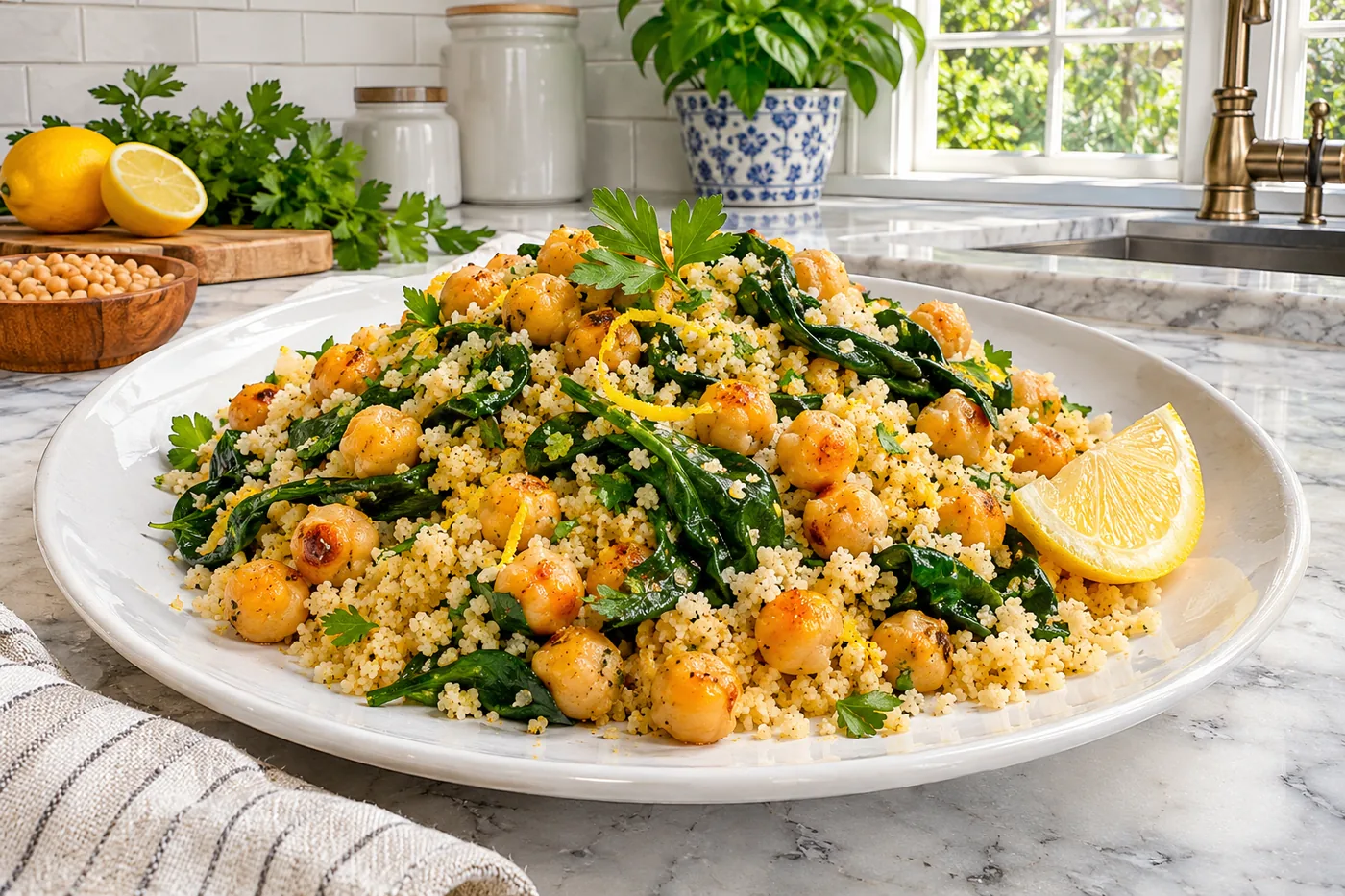
“Enjoy a nutritious and delicious dish packed with fiber and protein that’s perfect for any meal.”
I remember the first time I made low fat chickpea spinach couscous for dinner. My family was skeptical, but the moment they took their first bite, their expressions changed to delight — it was a hit!
What sets this recipe apart is its vibrant flavors and wholesome ingredients, making it a satisfying dish that’s both delicious and guilt-free. You won't find a version quite like this one, full of freshness and a perfect blend of spices.
Why This Recipe Works
- Whole Wheat Couscous Provides Fiber: Using whole wheat couscous not only boosts the fiber content, but it also helps keep you feeling full longer. This is especially important in a low-fat dish, as it prevents hunger pangs without relying on heavy ingredients.
- Chickpeas Add Protein and Creaminess: Chickpeas are packed with protein, which complements the dish's low fat profile while providing a creamy texture. I found that using canned chickpeas makes preparation easier, and they blend beautifully with the other flavors.
- Fresh Spinach Offers Nutrients and Color: The fresh spinach not only adds vibrant color but also loads the dish with vitamins A and C. I noticed when I used wilted spinach, the final dish lacked the brightness that fresh greens provide.
- Citrus Brightens the Flavor: The splash of freshly squeezed lemon juice lifts all the flavors, creating a refreshing contrast to the earthiness of the chickpeas and spices. I tested this without lemon and found it flat; the acidity really makes a difference.
Ingredients
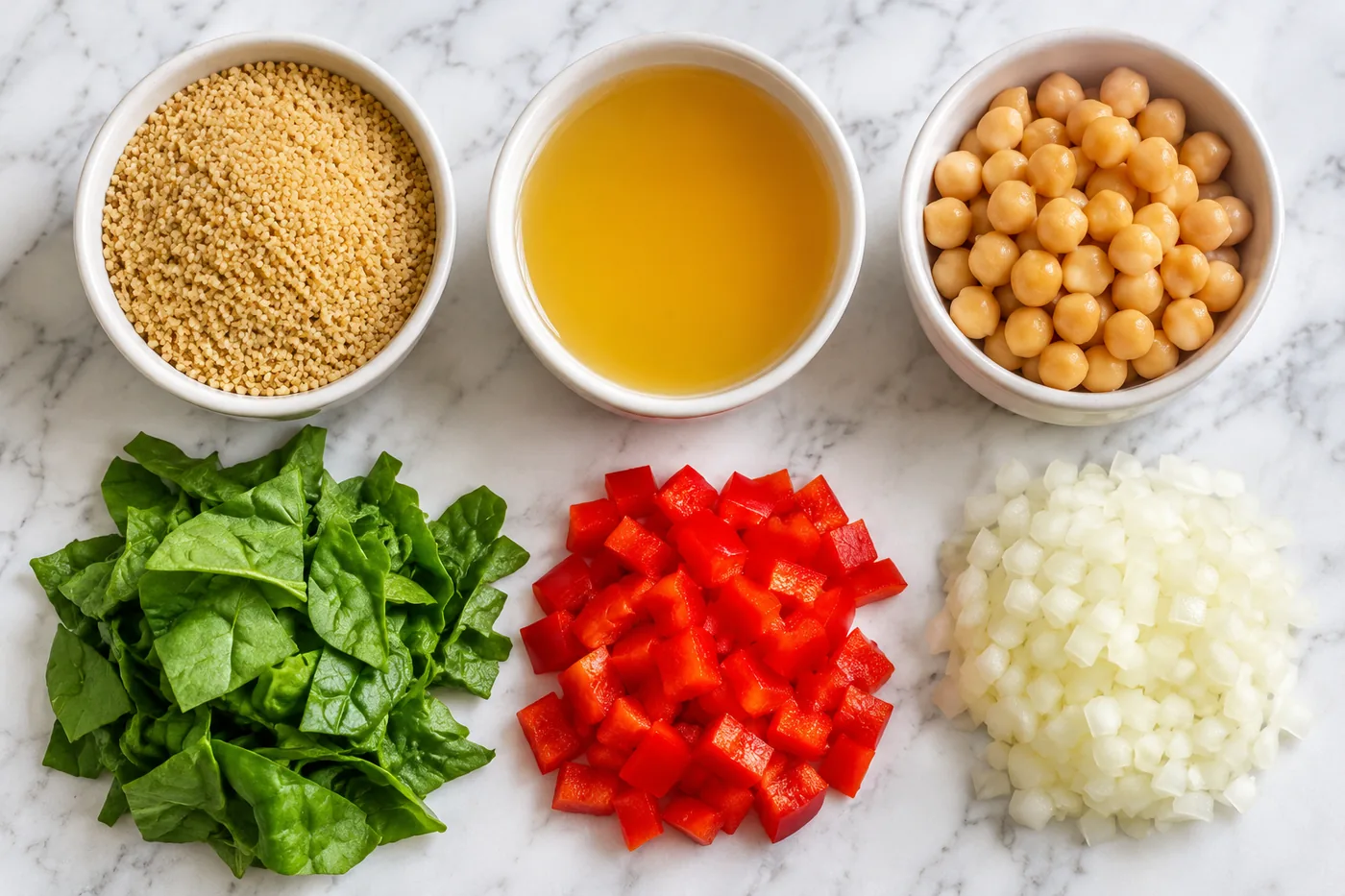
What You'll Need
- 1 cup whole wheat couscous it adds a nutty flavor and more fiber than regular couscous.
- 1 cup low-sodium vegetable broth it enhances the flavor without overpowering the dish.
- 1 can chickpeas, 15 oz, drained and rinsed they provide protein and a creamy texture when cooked.
- 2 cups fresh spinach, roughly chopped look for bright green leaves without wilting for the best flavor.
- 1 medium red bell pepper, diced it adds sweetness and vibrant color to the dish.
- 1 small onion, finely chopped this brings a mild sweetness and depth of flavor.
- 2 cloves garlic, minced fresh garlic gives a robust flavor that complements the spices.
- 1 tsp ground cumin it adds warmth and an earthy flavor profile.
- 1 tsp paprika it enhances the color and provides a mild smokiness.
- 1 tbsp lemon juice, freshly squeezed fresh juice brightens the dish and balances the flavors.
- 2 tbsp fresh parsley, chopped, for garnish it adds freshness and a pop of color on top.
- 1 tbsp olive oil, for sautéing it helps in cooking the vegetables and adds healthy fats.
- 1/2 tsp salt, or to taste adjust based on your preference and the broth's saltiness.
- 1/4 tsp black pepper, or to taste freshly ground pepper gives a nice kick.
When shopping for ingredients, choose whole wheat couscous for added nutrition. Fresh spinach should be vibrant and crisp, while chickpeas can be canned for convenience. The combination of flavors in this low fat chickpea spinach couscous is comforting and satisfying, making it a great choice for a healthy meal.
Easy Substitutions
- Dairy-free: swap olive oil for coconut oil — the flavor will be slightly sweeter and richer.
- Gluten-free: swap couscous for quinoa — it will change the texture to a fluffier consistency, but will keep the dish hearty.
- Lower calorie: swap olive oil for cooking spray — you’ll reduce fat but still get the sautéed flavor.
Step-by-Step Instructions
Prepare the Couscous
- In a medium saucepan, bring 2 cups of vegetable broth to a boil over medium-high heat, about 5 minutes. The bubbling broth is crucial for perfectly fluffy couscous.
- Once boiling, remove the saucepan from the heat, add 1 cup of couscous, and cover it. Let it sit for 5 minutes to allow the couscous to absorb all that flavorful broth.
Sauté the Vegetables
- While the couscous is resting, heat 1 tablespoon of olive oil in a large skillet over medium heat for about 2 minutes. You want the oil to shimmer, indicating it's hot enough for sautéing.
- Add 1 diced onion and 1 diced red bell pepper to the skillet, sautéing for 3-4 minutes until they're softened and fragrant. The colors should brighten, and the onion will turn translucent, which adds depth to the dish.
- Stir in 2 minced garlic cloves, 1 teaspoon of cumin, 1 teaspoon of paprika, 1/2 teaspoon of salt, and 1/4 teaspoon of black pepper. Cook for another 1-2 minutes until the spices become aromatic and fill your kitchen with warmth. If it smells burnt, your heat is too high.
Combine & Serve
- Add 1 can of drained chickpeas and 4 cups of fresh spinach to the skillet, cooking for an additional 2-3 minutes until the spinach wilts down and turns vibrant green. This adds nutrition and a lovely texture contrast.
- Fluff the couscous with a fork, then add it to the skillet, mixing well to combine all ingredients. Look for a uniform color and consistency; you want every bite to have a bit of everything.
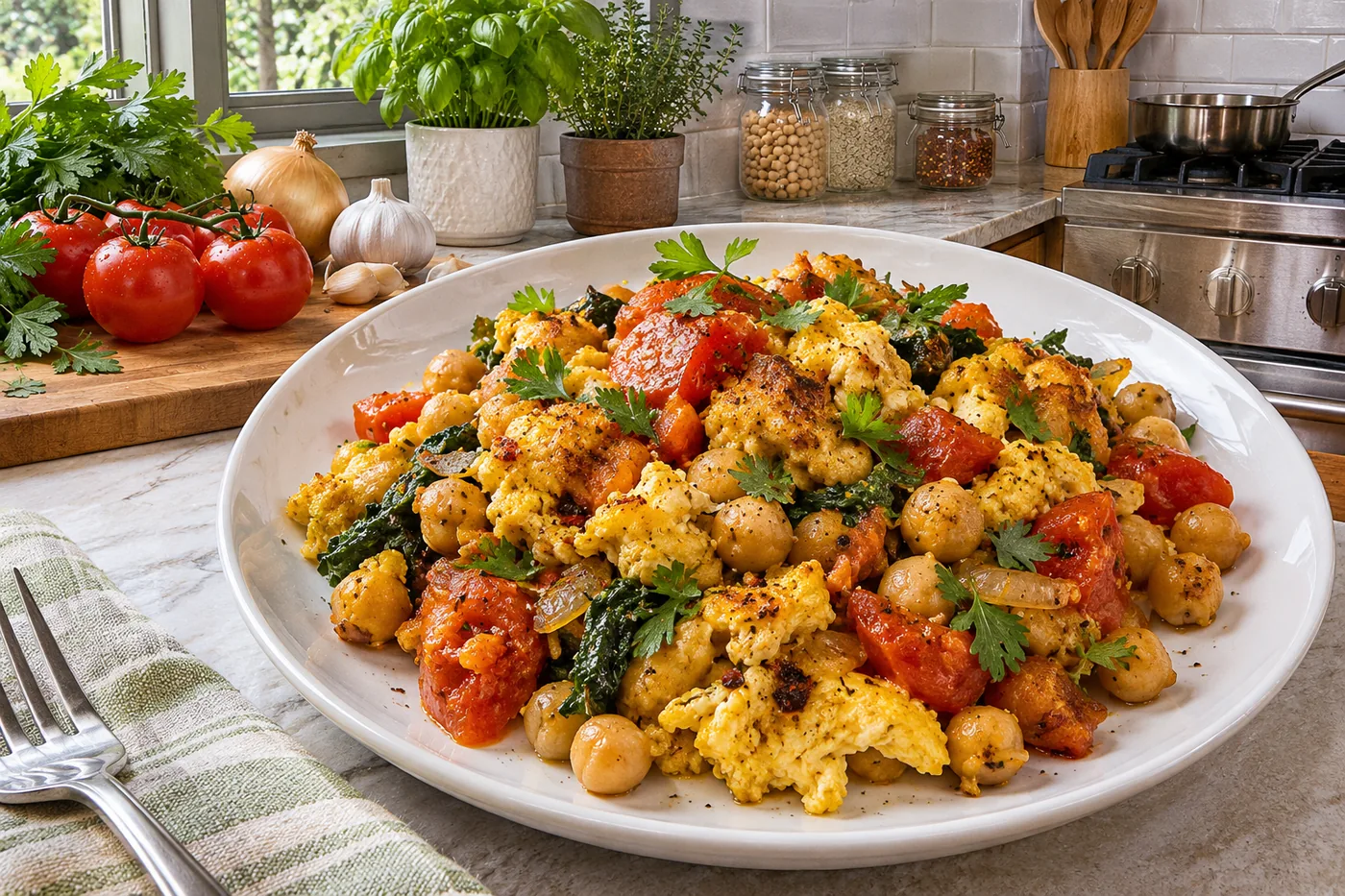
- Drizzle with the juice of 1 lemon, stir to incorporate all the flavors, and cook on low heat for 1-2 minutes. The lemon brightens the dish and enhances the overall flavor profile. Remove from heat and garnish with fresh parsley. Serve warm and enjoy your low fat chickpea spinach couscous.
Tips & Tricks
The Importance of Rinsing Chickpeas
Rinsing canned chickpeas is a great choice. I always drain and rinse them under cold water for about 30 seconds. This not only removes excess sodium but also washes away that starchy liquid that can make your dish feel heavy. Trust me, your low fat chickpea spinach couscous will come out lighter and fresher.
Choosing the Right Couscous
Not all couscous is created equal! I prefer using whole wheat couscous for added fiber and a nutty flavor. It cooks up beautifully, absorbing all those wonderful spices and broth. You could also try Israeli couscous for a chewier texture, but keep an eye on the cooking time—it takes a bit longer than the standard stuff!
Pro Tips
- Perfect Couscous Texture: To achieve fluffy couscous, let it rest for at least 5 minutes after adding it to the broth. I made this mistake once, rushing it, and the couscous turned out gummy. Patience really pays off here!
- Enhance Spinach Flavor: Add a squeeze of fresh lemon juice right before serving for a zesty kick. I always keep a lemon on hand, as it brightens up the dish and balances the earthy chickpeas beautifully.
- Spice It Up: Experiment with different spices to customize the dish. I often swap cumin for coriander or add a pinch of cayenne for heat—it's incredible how a small change can transform the flavor profile.
- Make Ahead and Store: This couscous dish stores well in the fridge for up to 3 days. I love making a big batch on Sundays; it’s perfect for quick lunches throughout the week!
- Use Fresh Herbs for Garnish: Top with fresh herbs like parsley or cilantro just before serving to enhance freshness. A handful of chopped herbs adds color and a touch of flavor that brings everything together.
Variations & Customizations
Flavor Twists
Mediterranean Delight
Add 1/2 cup diced sun-dried tomatoes and 1/4 cup crumbled feta cheese. This version bursts with tangy flavors from the tomatoes, while the feta adds a creamy, salty touch that complements the couscous beautifully.
Spicy Kick
Stir in 1/2 tsp red pepper flakes and 1/4 cup chopped kalamata olives. The heat from the red pepper flakes gives it a fiery edge, and the olives introduce a briny depth that makes each bite exciting.
Seasonal Versions
Fall Harvest
Incorporate 1 cup diced butternut squash and 1/2 tsp ground cinnamon. This variation brings warmth and sweetness, with the squash providing a lovely texture and a hint of autumn spice that envelops the dish.
Storage & Meal Prep
Room Temperature
Store the low fat chickpea spinach couscous in an airtight container at room temperature for up to 2 hours. After that, it should be refrigerated to maintain freshness and avoid spoilage.
Refrigerator
In the refrigerator, it can last for up to 4 days. Make sure to let it cool completely before transferring it to a glass or plastic container with a tight lid to keep it fresh.
Freezer
You can freeze it for up to 3 months. The best method is to portion it out into individual servings, then flash freeze them on a sheet pan before transferring to freezer bags. To thaw, simply place it in the refrigerator overnight before reheating.
Meal Prep
I recommend doubling the recipe for batch cooking, as it keeps well and makes meal planning easier. Prep it on the weekend to have ready-to-go meals for the week. Store in individual containers for easy access, and it will stay fresh for up to 4 days in the fridge. Reheat in the microwave for 2-3 minutes, or until heated through.
Frequently Asked Questions
Can I use quinoa instead of couscous?
Yes, you can substitute quinoa for couscous in this recipe. Quinoa adds a slightly nuttier flavor and is also gluten-free, making it a great option for those with dietary restrictions.
Why did my couscous turn out mushy?
Mushy couscous often results from using too much liquid. Make sure to measure your broth carefully and allow the couscous to steam properly without stirring too much.
Is this recipe suitable for a vegan diet?
Absolutely! This low fat chickpea spinach couscous is entirely plant-based, making it perfect for vegans. Just be sure to check that your vegetable broth is vegan-friendly.
What can I add for extra protein?
For a protein boost, consider adding grilled chicken or tofu. Both options complement the flavors well and keep the dish filling.
How long can I store leftovers?
Leftovers can be stored in the refrigerator for up to four days. Just make sure to keep it in an airtight container to maintain freshness.
This low fat chickpea spinach couscous is my favorite quick meal when I need something healthy and satisfying, full of flavors and textures. For an extra layer of taste, consider adding a squeeze of fresh lemon juice right before serving. Give this recipe a try, and I can't wait to hear how it turns out for you — leave a comment or share your thoughts with me!
Recipe Card
Low Fat Chickpea Spinach Couscous
Enjoy a nutritious and delicious dish packed with fiber and protein that’s perfect for any meal.
checklist Ingredients
- 1 cup whole wheat couscous
- 1 cup low-sodium vegetable broth
- 1 can chickpeas, 15 oz, drained and rinsed
- 2 cups fresh spinach, roughly chopped
- 1 medium red bell pepper, diced
- 1 small onion, finely chopped
- 2 cloves garlic, minced
- 1 tsp ground cumin
- 1 tsp paprika
- 1 tbsp lemon juice, freshly squeezed
- 2 tbsp fresh parsley, chopped, for garnish
- 1 tbsp olive oil, for sautéing
- 1/2 tsp salt, or to taste
- 1/4 tsp black pepper, or to taste
menu_book Instructions
- 1
In a medium saucepan, bring the vegetable broth to a boil over medium-high heat.
- 2
Once boiling, remove from heat, add couscous, cover, and let it sit for 5 minutes.
- 3
Meanwhile, heat olive oil in a large skillet over medium heat.
- 4
Add onion and red bell pepper to the skillet, sauté for 3-4 minutes until softened.
- 5
Add garlic, cumin, paprika, salt, and black pepper, cook for another 1-2 minutes until fragrant.
- 6
Stir in chickpeas and spinach, cooking for an additional 2-3 minutes until spinach is wilted.
- 7
Fluff the couscous with a fork, then add to the skillet, mixing well to combine all ingredients.
- 8
Drizzle with lemon juice, stir to incorporate, and cook on low heat for 1-2 minutes.
- 9
Remove from heat and garnish with fresh parsley before serving.