Easy Vegetarian Miso Mushroom Udon

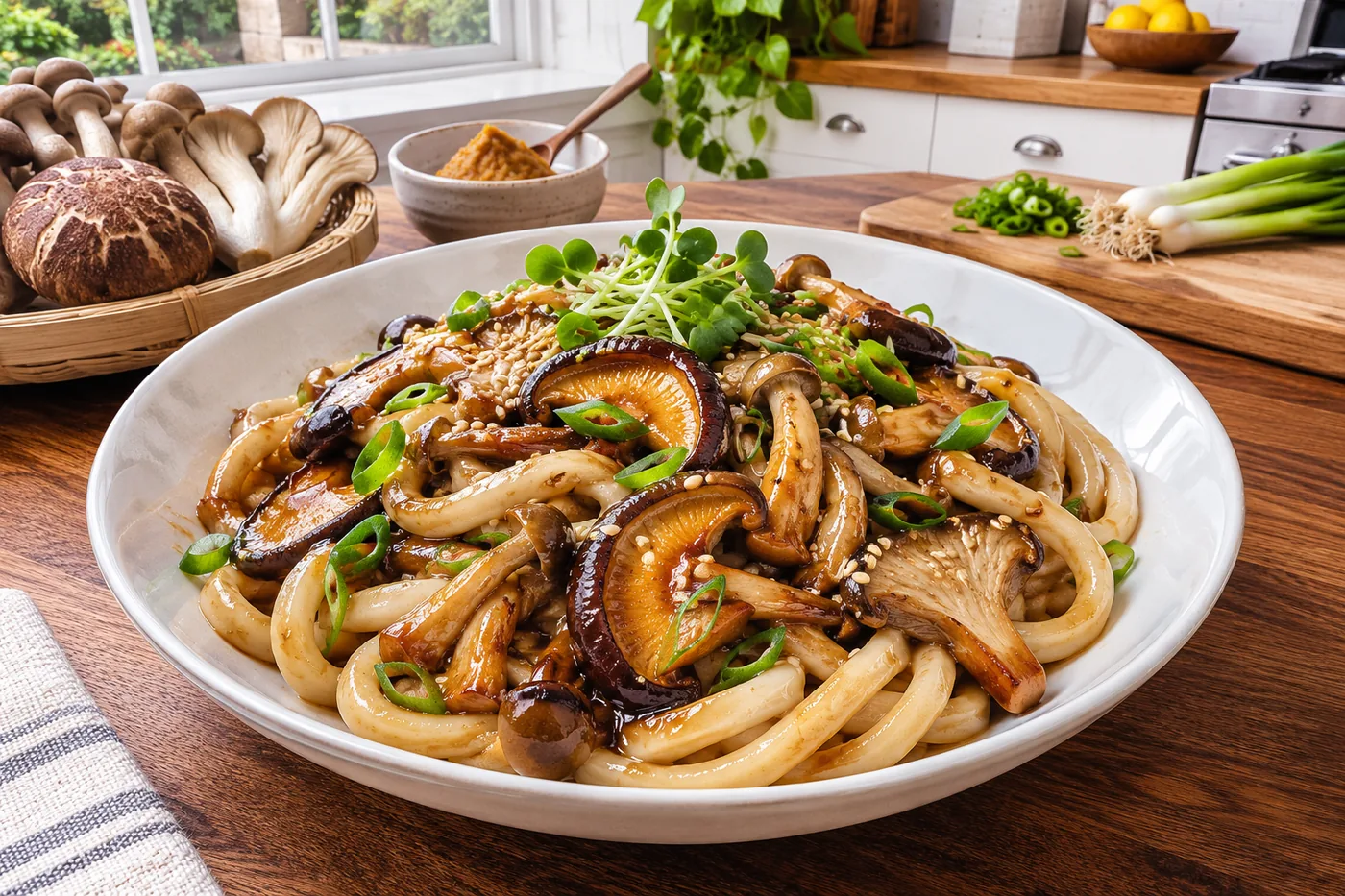
“Enjoy a flavorful and satisfying vegetarian dish with miso, mushrooms, and udon noodles that's quick to prepare.”
I remember the first time I made easy vegetarian miso mushroom udon — the aroma of sautéed mushrooms filled my kitchen, and I couldn't wait to dig in. This dish stands out because it combines the umami richness of miso with vibrant broccoli, creating a comforting bowl that's both satisfying and packed with nutrients.
What makes this recipe special is the perfect balance of flavors and textures. The earthy mushrooms, tender udon, and crisp broccoli come together in a way that feels both wholesome and rich, making it a favorite for any night of the week.
Why This Recipe Works
- Noodle Texture: Using udon noodles creates a chewy, satisfying base for the dish. Their thick, smooth surface allows the sauce to cling beautifully, ensuring every bite is packed with flavor.
- Umami Boost: The combination of miso paste and shiitake mushrooms delivers a rich umami punch. Miso's fermentation process enhances the depth of flavor, while shiitake mushrooms add a meaty texture and earthy notes, making the dish hearty.
- Balanced Flavor: Incorporating soy sauce and rice vinegar balances the dish's flavors. The soy sauce adds saltiness, while the rice vinegar brings a touch of acidity, brightening the overall profile and enhancing the taste.
- Vegetable Freshness: Blanching the broccoli helps maintain its vibrant green color and crisp texture. I found that if you skip this step, the broccoli can become too soft and lose its appealing crunch.
Ingredients
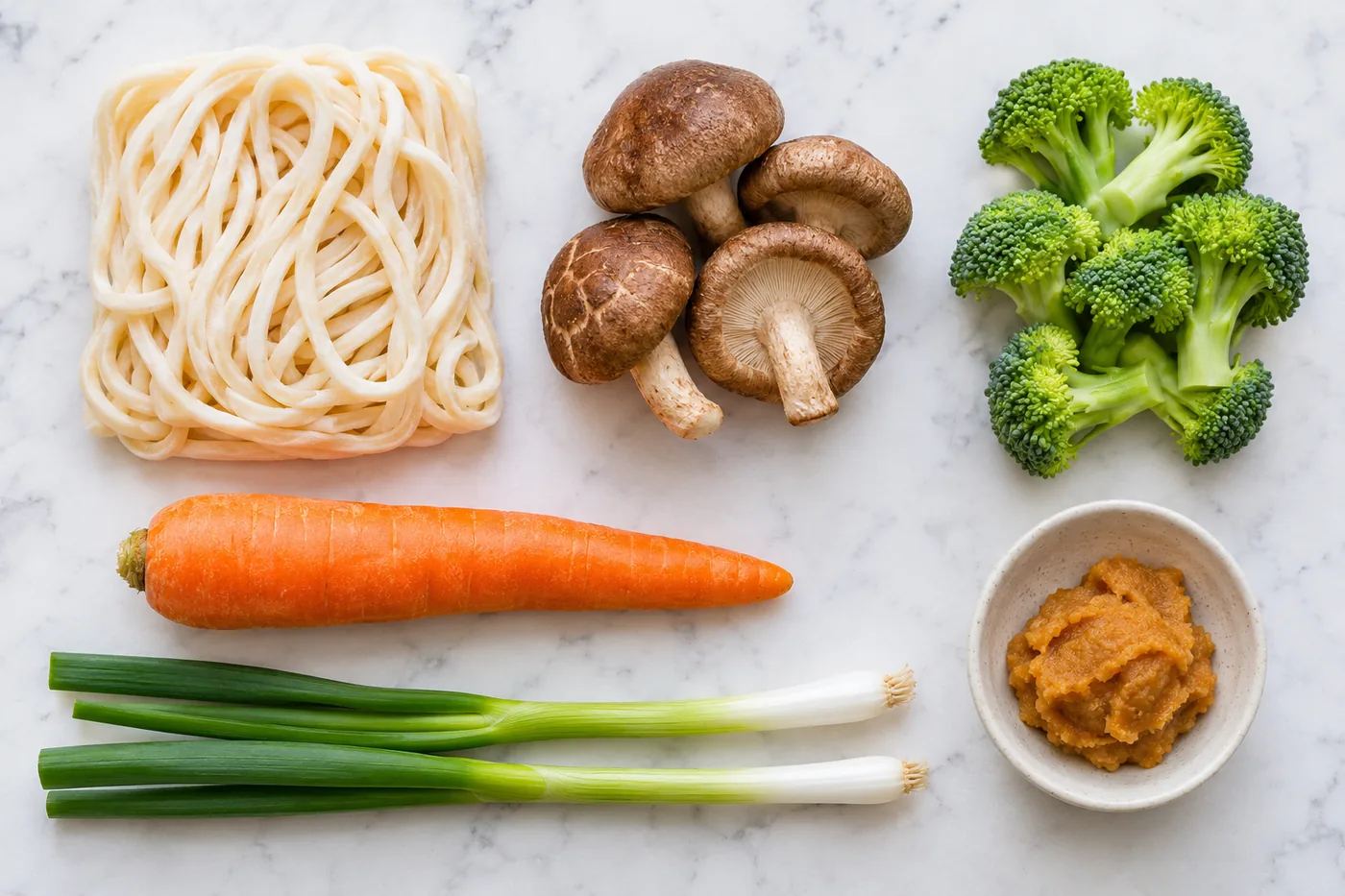
What You'll Need
- 8 oz udon noodles fresh or dried; fresh noodles give a chewier texture, while dried ones are more convenient.
- 1 tbsp sesame oil adds a rich, nutty flavor; look for toasted sesame oil for extra depth.
- 2 cups shiitake mushrooms sliced; they bring an earthy umami flavor that complements the miso.
- 1 cup broccoli florets blanched; this keeps them vibrant and adds a nice crunch.
- 1 carrot julienned; it provides sweetness and color to the dish.
- 2 green onions sliced; they add a fresh, sharp flavor as a garnish.
- 3 tbsp miso paste white or yellow are milder; they give the dish its signature umami taste.
- 1 cup vegetable broth use low-sodium for better control over seasoning.
- 2 tbsp soy sauce or tamari for gluten-free; it enhances the savory depth of the dish.
- 1 tbsp rice vinegar adds a touch of acidity to balance the flavors.
- 1 tsp ginger grated; it adds warmth and a bit of spice.
- 1 clove garlic minced; it contributes aromatic depth.
- 1 tbsp sesame seeds for garnish; they add a nice crunch and visual appeal.
- 1 tbsp chili oil optional for spice; adjust to your heat preference.
When making this easy vegetarian miso mushroom udon, fresh shiitake mushrooms are key for their flavor and texture. Look for high-quality miso paste, as it significantly impacts the dish's umami profile. Don't hesitate to check the Asian section of your grocery store for specialty items like chili oil and sesame oil.
Easy Substitutions
- Dairy-free: swap regular soy sauce for low-sodium soy sauce — result changes to a lighter sodium content without losing flavor.
- Gluten-free: swap udon noodles for rice noodles — result changes to a different texture, but they will still absorb the delicious broth.
- Lower calorie: swap sesame oil for a cooking spray — result changes to a lighter dish, but you lose some of that rich flavor.
Step-by-Step Instructions
Cook the Udon Noodles
- In a large pot of boiling water, cook udon noodles according to package instructions, about 4-5 minutes for fresh noodles or 8-10 minutes for dried. This is crucial for achieving the right texture, ensuring they are tender but still have a slight bite.
- Drain the noodles and set them aside. They should feel smooth to the touch and not sticky, allowing them to easily absorb the sauce later.
Sauté the Vegetables
- In a large skillet, heat 2 tablespoons of sesame oil over medium heat, around 350°F. This oil adds a wonderful nutty aroma that enhances the dish.
- Add sliced shiitake mushrooms and cook for 5-7 minutes, stirring occasionally, until they soften and release their juices. They should look golden and fragrant by the end.
- Next, add julienned carrot to the skillet and cook for an additional 3 minutes until slightly tender. The vibrant color will brighten the dish and the carrots add a nice crunch.
- Stir in blanched broccoli florets, grated ginger, and minced garlic. Cook for 2 minutes until fragrant; the ginger and garlic will fill your kitchen with a delicious aroma that signals it’s almost time to eat.
Combine & Serve
- In a small bowl, whisk together 3 tablespoons of miso paste, 1 cup of vegetable broth, 2 tablespoons of soy sauce, and 1 tablespoon of rice vinegar until smooth. This mixture creates a savory umami flavor that binds everything together.
- Pour the miso mixture into the skillet and bring to a simmer over medium heat, around 350°F. Cook for 2-3 minutes, stirring to combine, until it thickens slightly and coats the vegetables.
- Add the cooked udon noodles to the skillet and toss gently to combine with the sauce and vegetables. Cook for an additional 2 minutes to heat through; the noodles should soak up the delicious flavors.
- Remove from heat and stir in sliced green onions and chili oil if using. This adds a fresh crunch and a hint of heat, taking it to the next level.
- Serve the udon in bowls, garnished with sesame seeds and additional green onions if desired. It should look vibrant and inviting, ready to be enjoyed.
Tips & Tricks
The Perfect Udon Texture
To get that delightful chewy texture, make sure you don't overcook the udon noodles. Trust me, it's easy to lose track of time when you're focused on those aromatic mushrooms sizzling away. I always set a timer to avoid mushy noodles, which can ruin the whole dish. Once drained, toss them with a splash of sesame oil to keep them from sticking.
Choosing the Right Mushrooms
While shiitake mushrooms bring a lovely umami flavor, don't hesitate to mix in other varieties like cremini or oyster mushrooms for added texture and taste. Each type has its own unique characteristics; for example, oyster mushrooms have a delicate, slightly sweet flavor that can enhance the dish. I often combine a few different mushrooms to create a more complex and satisfying experience.
Pro Tips
- Use High-Quality Miso Paste: A good miso can make or break your dish. I love using a rich, dark miso for depth, but if you prefer a lighter flavor, go for white miso. Experiment with different types to find your favorite balance.
- Sauté Garlic and Ginger First: Always add garlic and ginger after the veggies to avoid burning them. The aroma when they hit the pan is intoxicating, and it ensures they release their flavors without becoming bitter.
- Prep Veggies Ahead of Time: Chop your vegetables in advance and store them in the fridge. This way, you can throw them in the skillet without any delays, keeping the cooking process smooth and efficient.
- Customize with Seasonal Vegetables: Feel free to swap in seasonal veggies like asparagus or snap peas. I often adjust based on what’s fresh at the market, enhancing flavor and nutrition.
- Finish with a Splash of Citrus: A squeeze of fresh lemon or lime juice just before serving brightens the dish. It adds a zesty kick that contrasts beautifully with the umami richness of the miso.
Variations & Customizations
Flavor Twists
Spicy Sesame
Add 1 tbsp of gochujang (Korean chili paste) and 1 tbsp of sesame seeds to the sautéed mushrooms. This version brings a pleasureful heat with a deep umami punch, giving the dish a vibrant red hue and a slightly thicker texture.
Coconut Curry
Stir in 1 can (13.5 oz) of coconut milk and 2 tbsp of red curry paste along with the vegetable broth. The result is a creamy, fragrant bowl that balances the earthy mushrooms with sweet coconut, creating a rich, velvety sauce.
Seasonal Versions
Autumn Harvest
Incorporate 1 cup of roasted butternut squash cubes and ½ cup of kale during the final toss. This variation adds a sweet, nutty flavor and a pop of color, making it comforting and hearty, perfect for fall.
Storage & Meal Prep
Room Temperature
Keep the easy vegetarian miso mushroom udon at room temperature for no more than 2 hours in an airtight container. This helps prevent any moisture buildup that could make them soggy.
Refrigerator
Store in an airtight container in the refrigerator for up to 3 days. Make sure to cool the udon completely before storing, as they’ll get soggy on the bottom if you stack them while still warm.
Freezer
You can freeze the udon for up to 2 months. It’s best to flash freeze the noodles on a sheet pan before transferring them to a freezer-safe bag. When you’re ready to enjoy, thaw them overnight in the refrigerator before reheating.
Meal Prep
For meal prep, consider doubling the recipe to have leftovers for the week. Preparing them the night before works great, as the flavors meld beautifully. Use glass meal prep containers for easy reheating, and they’ll stay fresh for up to 3 days. When reheating, microwave for 2-3 minutes, stirring halfway through, until heated through.
Frequently Asked Questions
Can I use another type of noodle for this recipe?
Yes, you can substitute udon noodles with soba or rice noodles. Just keep an eye on the cooking time, as they may vary from udon.
What if my miso mushroom udon turns out too salty?
If your dish is too salty, try adding a bit of water or vegetable broth to balance it out. You can also add more vegetables to dilute the saltiness.
How can I make this dish gluten-free?
To make easy vegetarian miso mushroom udon gluten-free, simply use gluten-free udon noodles or rice noodles. Check that your miso paste is also gluten-free, as some brands may contain wheat.
Can I make this dish ahead of time?
Absolutely! You can prepare the miso mushroom sauce and cook the noodles in advance. Just store them separately in the fridge and combine when ready to eat.
What vegetables can I add to this recipe?
Feel free to customize with veggies like bok choy, spinach, or bell peppers. They not only add color but also boost the nutritional value of the dish.
This easy vegetarian miso mushroom udon is a pleasureful dish that bursts with umami flavors and warms the soul, making it a perfect weeknight meal. For an extra touch, consider adding a sprinkle of sesame seeds on top for crunch and a pop of flavor. I can't wait for you to try it—let me know how yours turns out by leaving a comment or sharing your creation on Pinterest!
Recipe Card
Easy Vegetarian Miso Mushroom Udon
Enjoy a flavorful and satisfying vegetarian dish with miso, mushrooms, and udon noodles that's quick to prepare.
checklist Ingredients
- 8 oz udon noodles
- 1 tbsp sesame oil
- 2 cups shiitake mushrooms
- 1 cup broccoli florets
- 1 each carrot
- 2 each green onions
- 3 tbsp miso paste
- 1 cup vegetable broth
- 2 tbsp soy sauce
- 1 tbsp rice vinegar
- 1 tsp ginger
- 1 clove garlic
- 1 tbsp sesame seeds
- 1 tbsp chili oil
menu_book Instructions
- 1
In a large pot of boiling water, cook udon noodles according to package instructions.
- 2
Drain the noodles and set aside.
- 3
In a large skillet, heat sesame oil over medium heat.
- 4
Add sliced shiitake mushrooms and cook for 5-7 minutes, stirring occasionally, until softened.
- 5
Add julienned carrot to the skillet and cook for an additional 3 minutes until slightly tender.
- 6
Stir in blanched broccoli florets, grated ginger, and minced garlic.
- 7
In a small bowl, whisk together miso paste, vegetable broth, soy sauce, and rice vinegar until smooth.
- 8
Pour the miso mixture into the skillet and bring to a simmer over medium heat.
- 9
Cook for 2-3 minutes, stirring to combine.
- 10
Add the cooked udon noodles to the skillet and toss gently to combine with the sauce and vegetables.
- 11
Remove from heat and stir in sliced green onions and chili oil if using.
- 12
Serve the udon in bowls, garnished with sesame seeds and additional green onions if desired.